

About the Falls Church News Foundation
The Falls Church News Foundation is an independent and non-partisan nonprofit seeking to foster an informed and engaged citizenry in Falls Church through local fact-based, in-depth, explanatory journalism.
The organization is led by local residents who care about Falls Church and the vital role locally-owned community journalism plays in the Little City. We want local journalism here to thrive.
This nonprofit organization will support, fund and grow local journalism within Falls Church. Our mission is to make sure high-impact stories about the people and institutions that shape our community are reported with depth and distributed widely. We also seek to foster a passion for journalism in the next generation of Falls Church residents and instill an appreciation for the irreplaceable role it has in every community.
The Challenge
Since 2005, more than 3,200 print newspapers have vanished in the US, according to the 2024 State of Local News report from Northwestern University.
Local newspapers are now disappearing at a rate of roughly two per week, with many of those that remain reducing publication schedules or abandoning print editions altogether. This steady erosion has left countless communities without a reliable source of independent, locally focused reporting.
As Falls Church residents, we have all benefited—often without fully realizing it—from a strong local press. Local journalism connects neighbors to one another, shines a light on local government and elected officials, demands transparency, and fosters accountability. It tells the stories of our schools, civic institutions, small businesses, and everyday community life, helping to build the shared understanding and trust that make a community function.
That tradition is now at risk. If it is to continue in Falls Church, we must act deliberately and collectively. Preserving and sustaining local journalism will require volunteer time, financial support, and a renewed sense of shared responsibility from residents who value informed civic life.
This effort is worth it. Local journalism is a foundational pillar of our democracy and a cornerstone of community identity. It is not merely a service we consume, but a public good we sustain together—and it is something worth fighting for.
History of journalism in Falls Church
Falls Church has a long tradition of local journalism that has helped inform residents, strengthen civic engagement, and foster a strong sense of community.
For much of the 20th century, Falls Church was covered by major regional newspapers such as The Washington Post, which provided broad coverage of Northern Virginia, including Falls Church. The city was also regularly reported on by the Northern Virginia Sun, a daily newspaper based in Arlington that covered Falls Church and surrounding communities from the 1930s until its closure in 1998.
Falls Church has also supported its own dedicated local newspapers. The Falls Church Echo was published from 1940 to 1953, providing weekly coverage focused specifically on Falls Church and its civic life.
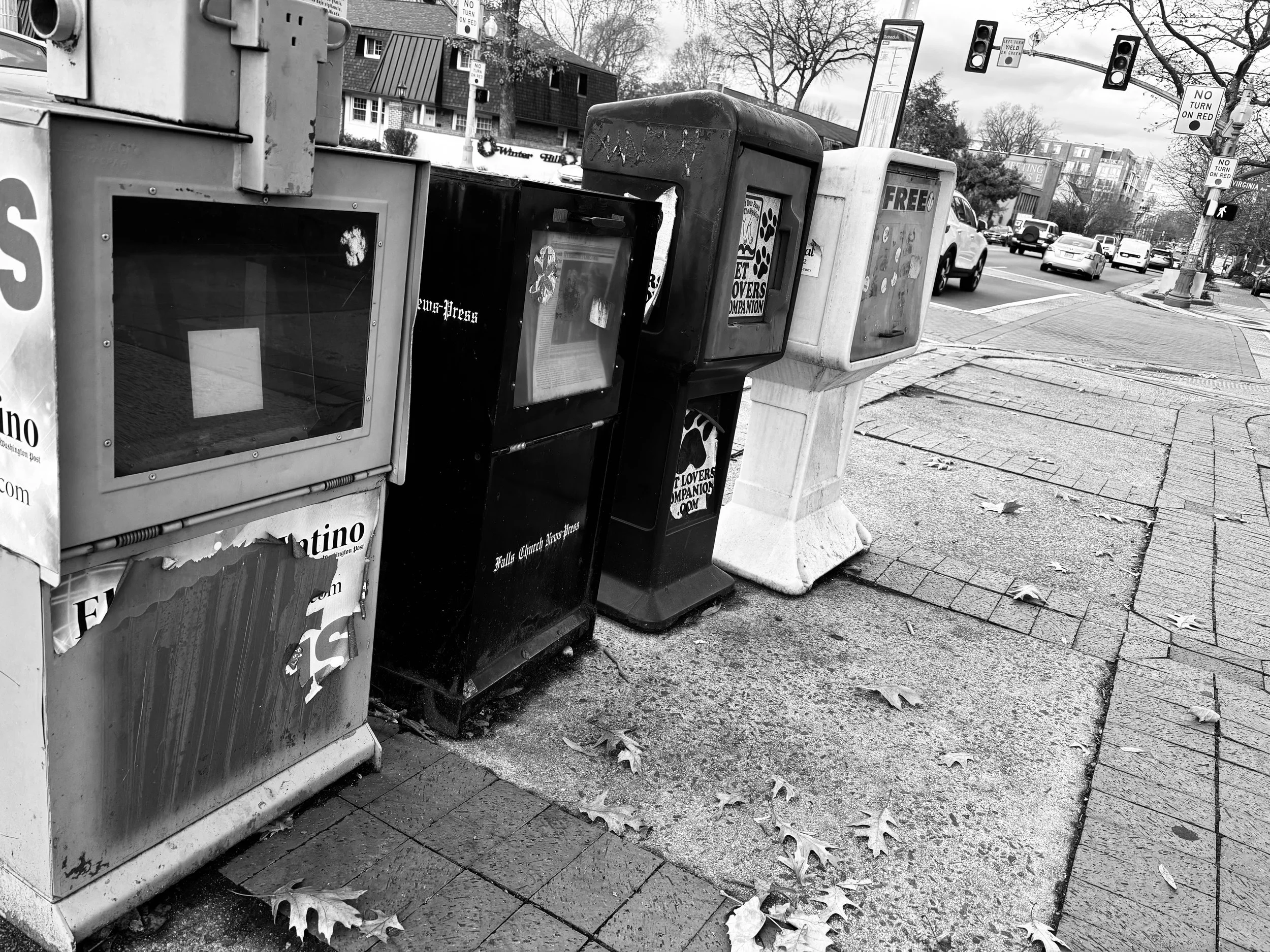
After several decades without a newspaper devoted exclusively to the city, local coverage was revived in 1991 when Nicholas F. Benton founded the Falls Church News-Press. Published weekly, the News-Press filled a critical gap by consistently reporting on city government, schools, businesses, civic affairs, and community events. Despite recent challenges to home delivery, the paper has chronicled Falls Church’s growth and political life for more than three decades.
Student journalism has also played an important role in the city’s media landscape. The Lasso was founded in 1953 with the opening of George Mason Junior-Senior High School (now Meridian High School) and remains a student- and teacher-led newspaper published three times each year. Similarly, students at Falls Church High School, which opened in 1945 on Hillwood Avenue, produced the Jaguar Journal, now known as the Jagwire.
In recent years, digital outlets have expanded local coverage. These include The Falls Church Independent, Falls Church Pulse, and ARLnow, which began covering Falls Church in 2024. Larger regional digital outlets—such as WTOP and The Washington Post’s Northern Virginia coverage—also report on Falls Church, particularly on issues of regional significance.
This history of local reporting—across print, student, and digital media—has helped make Falls Church a well-informed and civically engaged community. These outlets have varied in scale and focus, from hyperlocal community reporting to broader regional coverage, but together they have helped residents stay informed about local government decisions, schools, businesses, and civic life.
The Falls Church News Foundation hopes to augment Falls Church’s longstanding tradition of local journalism, and ensure it remains strong, independent, and sustainable for the future.
Foundation Board
-
Sally Cole
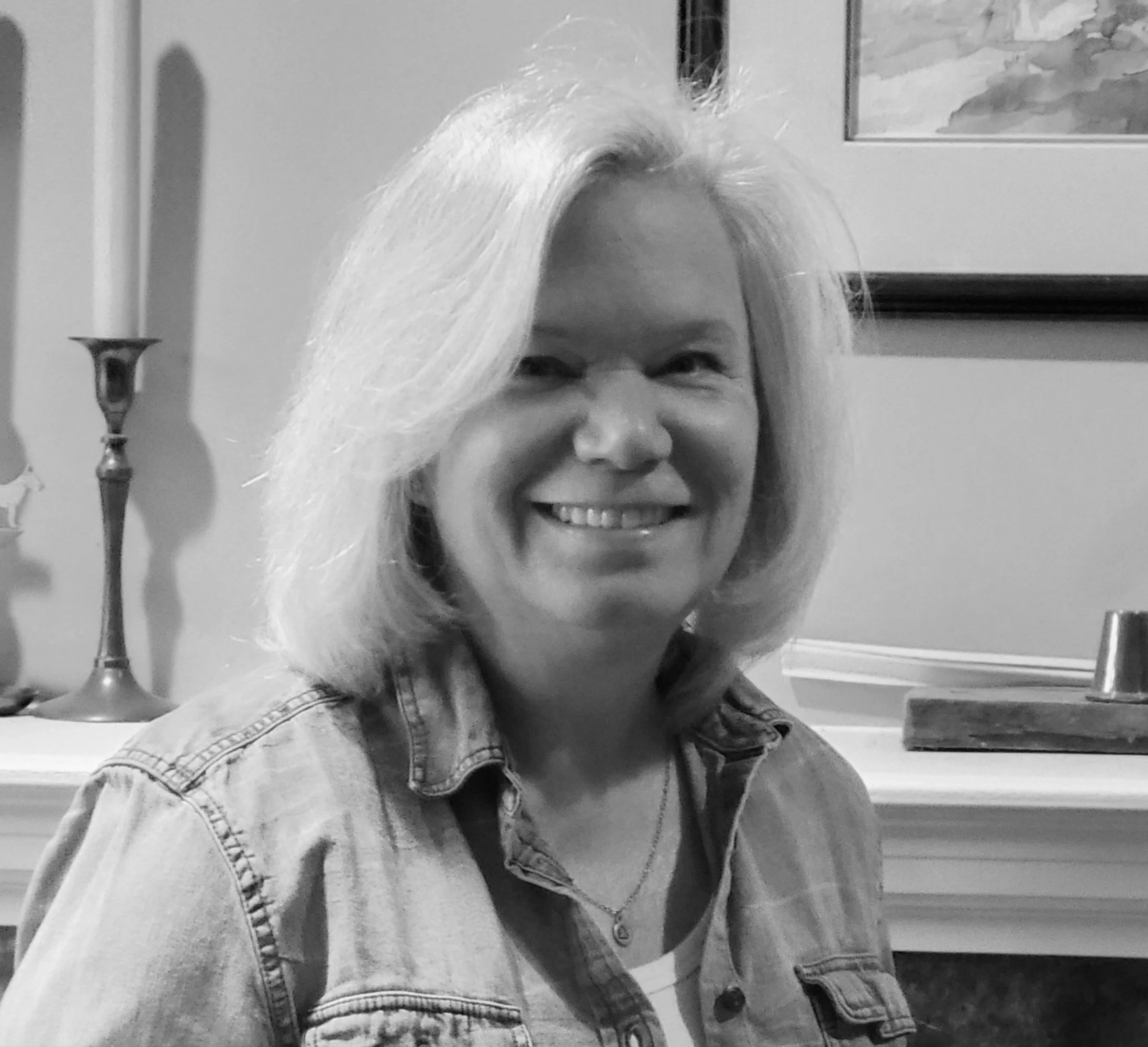
Sally Cole was the Executive Director of the Falls Church Chamber of Commerce from 2004 through 2021. During that time, Sally also wrote the Business News & Notes column for the Falls Church News-Press and penned a number of articles and commentaries about people, efforts, and events important to the Falls Church community for the paper. She also served on the Falls Church City Arts & Humanities Council, the Falls Church City Public Schools Business In Education Partnership Program, and various ad hoc task forces and committees. Sally has lived in Falls Church for more than 30 years.
-
Michael Connelly
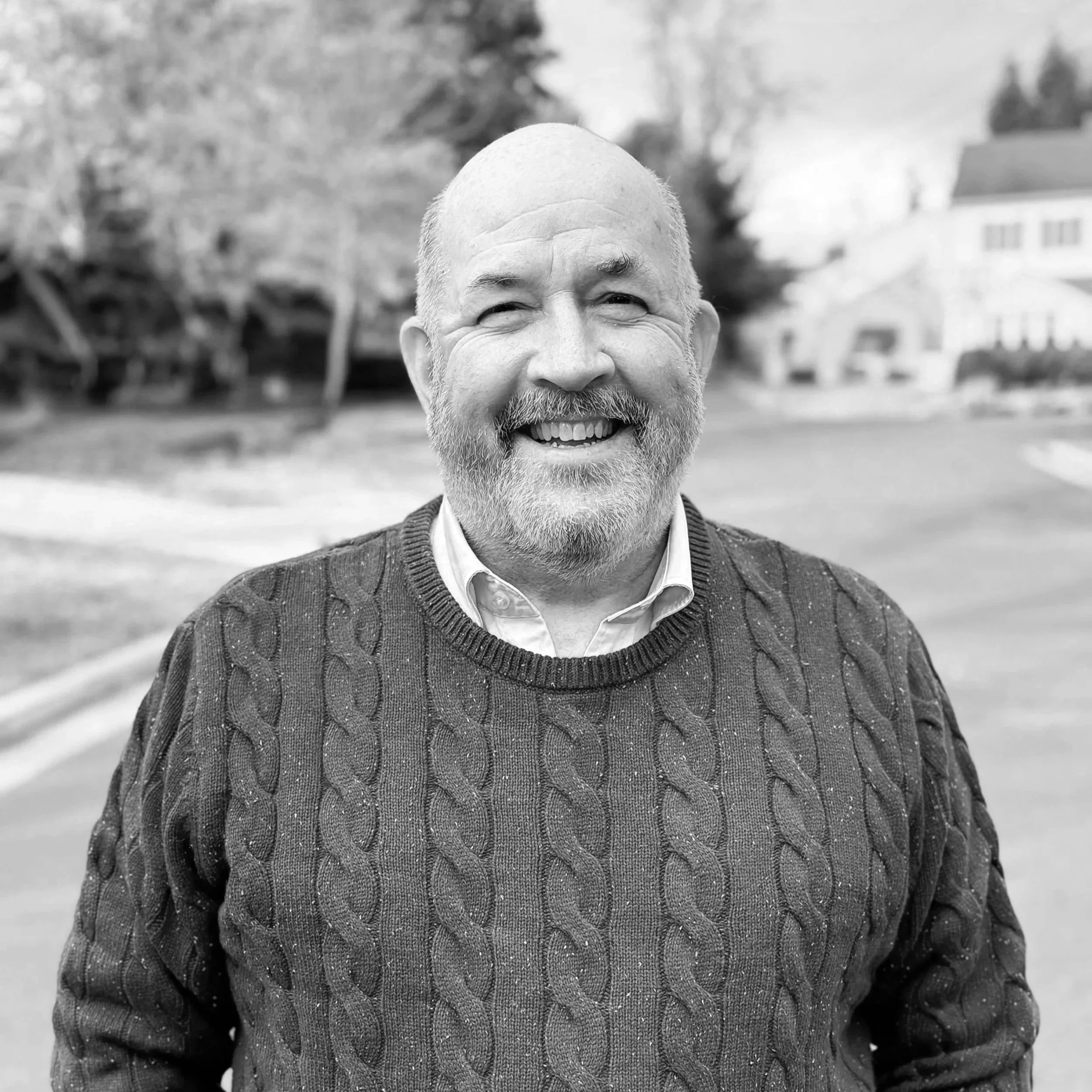
Michael retired (August 2025) as an attorney in the Federal government, serving for over three decades at the Departments of Agriculture and Transportation and, since 2000, the Federal Communications Commission, where he held various staff and senior level positions. His work there focused on public safety and national security. Since moving from New Mexico in the mid-1990s, he and his family have lived in, and been civically active in, Falls Church including leadership with Scouting America (formerly BSA), as board member and president of the Village Preservation and Improvement Society (VPIS), and with sports and church activities. He is a graduate of the University of California (Berkeley, A.B., and Santa Barbara, M.A., History), and the University of New Mexico (J.D.)
-
Mike Hume
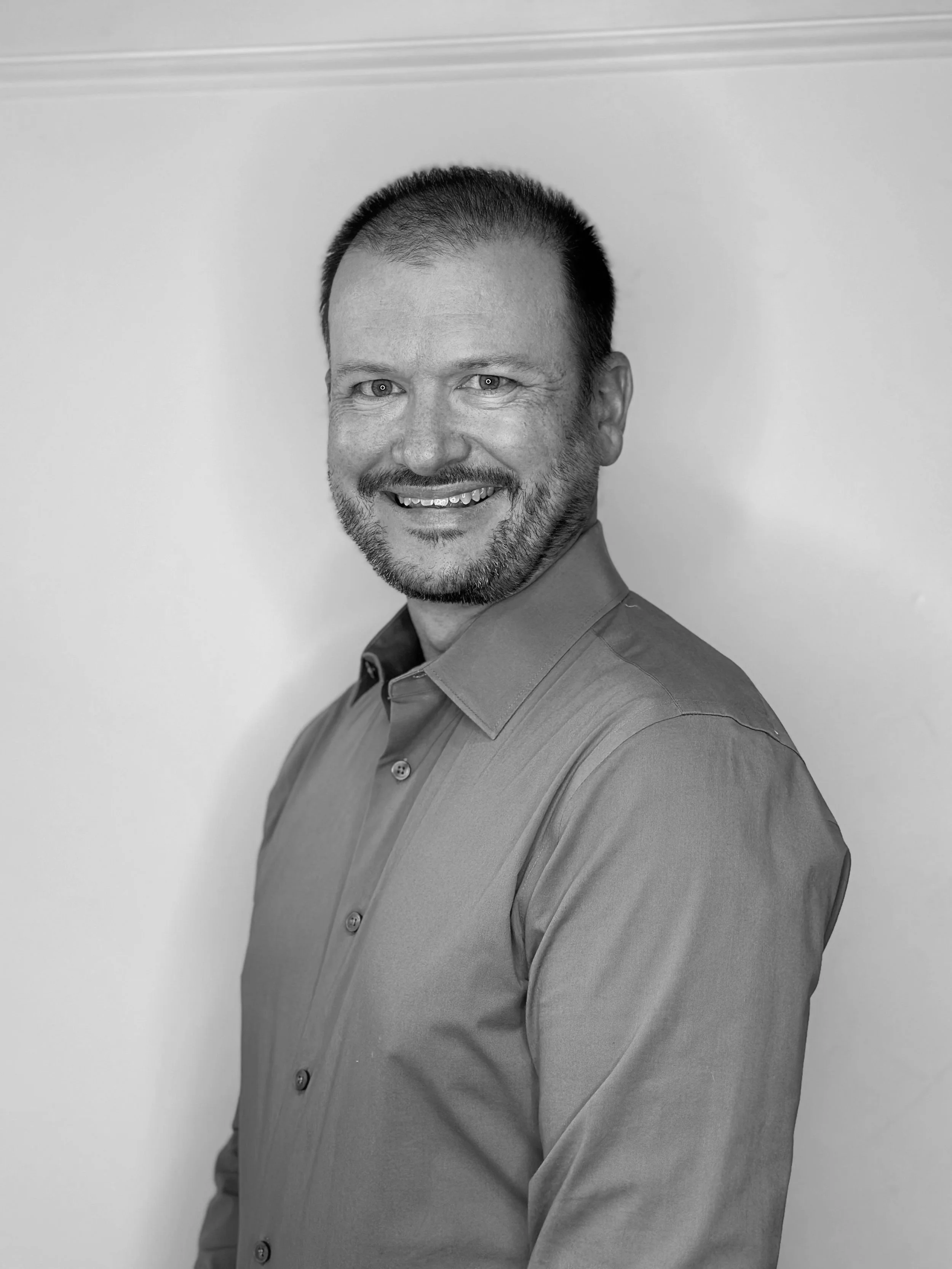
Mike Hume is an award-winning editor that has worked in journalism for more than 20 years. With stints at National Geographic Traveler, ESPN and The Washington Post, Mike has helped launch numerous successful properties, including the games Keyword and On The Record, as well as The Post's video game coverage vertical. He currently works as a Senior Managing Editor at the New York Times-owned sports site, The Athletic. In addition to his work with The Athletic, Mike maintains a Substack covering audience trends in media and in 2024 founded Launcher LLC, a consulting company that works with media outlets to drive digital innovation and new audiences. Mike's journalism career first took root at The Falls Church News-Press in Falls Church, Va., where he worked as Sports Editor and also contributed to the paper's entertainment and community coverage.
-
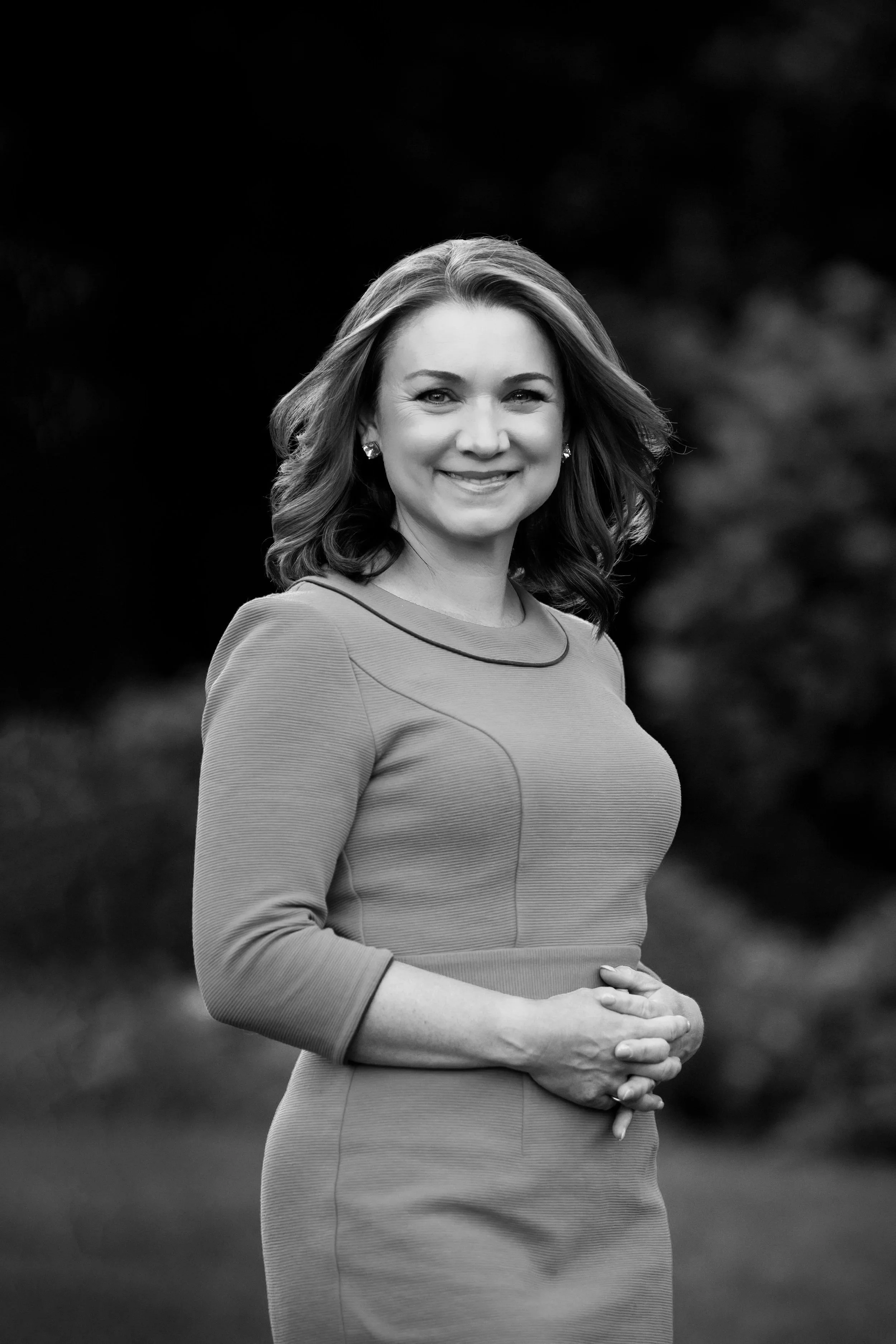
Tamara Keith
Tamara is NPR’s senior White House correspondent and served as president of the White House Correspondents’ Association in 2022/23. While in high school, she got her start in journalism at her local newspaper, the Hanford Sentinel in Hanford, CA. She also serves on the advisory board of the UC Berkeley Graduate School of Journalism, her alma mater. She and her family have lived in Falls Church since 2015.
-
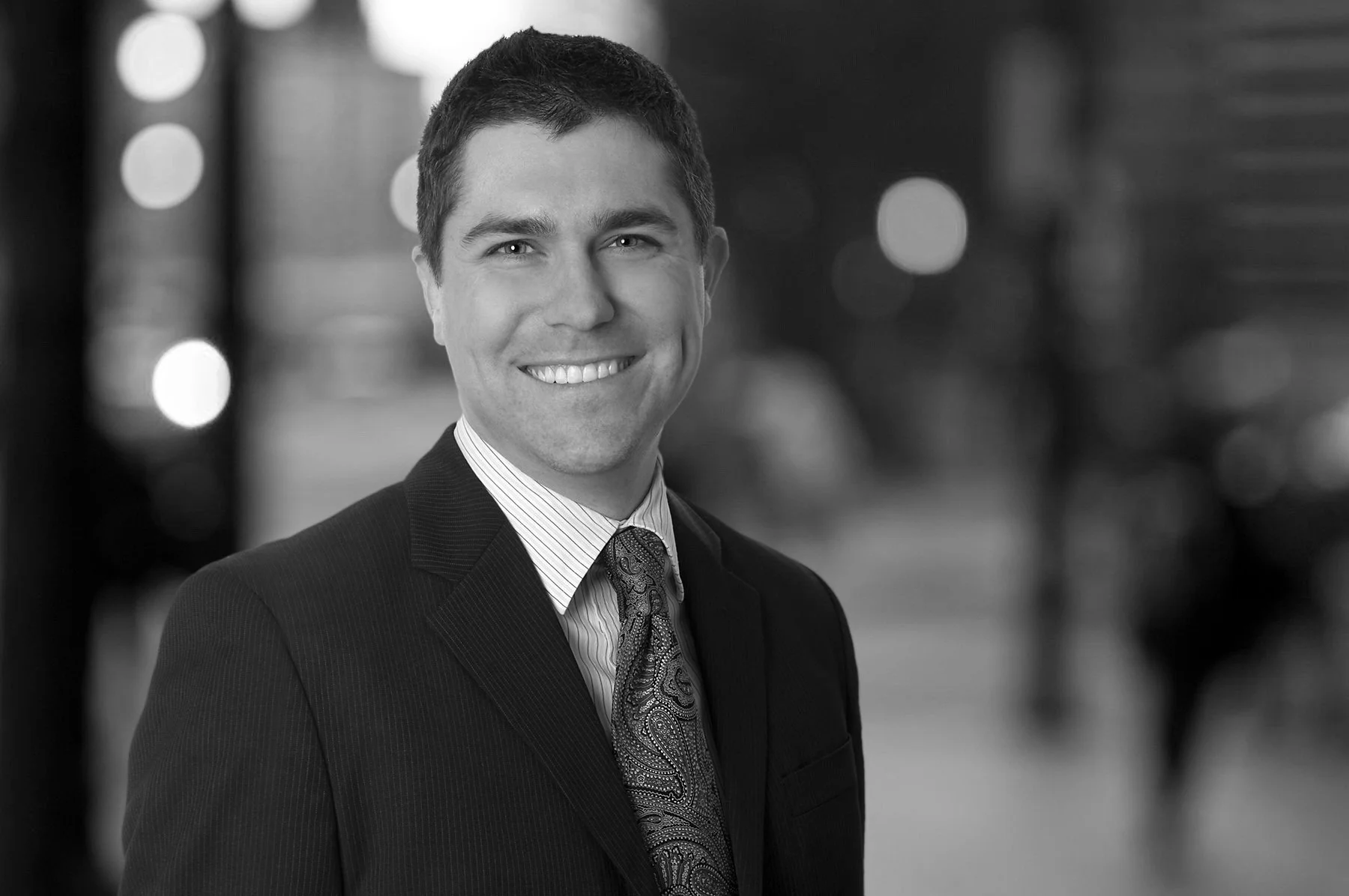
Andrew Painter
Andrew is a land use and zoning attorney with Walsh Colucci, where he focuses on securing zoning entitlements across Northern Virginia, including in the City of Falls Church, Arlington County, and Fairfax County.
Andrew previously worked for two members of the Fairfax County Board of Supervisors, the County Administrator of Caroline County, Virginia, and former Virginia Governor (now U.S. Senator) Mark Warner. He has spent much time traveling and writing about the region’s land development history, and has previously served as an adjunct professor at the University of Richmond and the University of Mary Washington. He is also the author of a 2018 book chronicling the history of the Virginia wine industry, Virginia Wine: Four Centuries of Change, published by George Mason University Press and distributed by the University of Virginia Press.
Andrew serves on the Board of Directors of the Arlington Chamber of Commerce, the Mary Riley Styles Library Foundation, the Northern Virginia Building Industry Association, the Washington Airports Task Force, and is the Chairman of the Greater Falls Church Chamber of Commerce’s Legislative Committee and the Fairfax County Agricultural and Forestal District Advisory Committee.
-
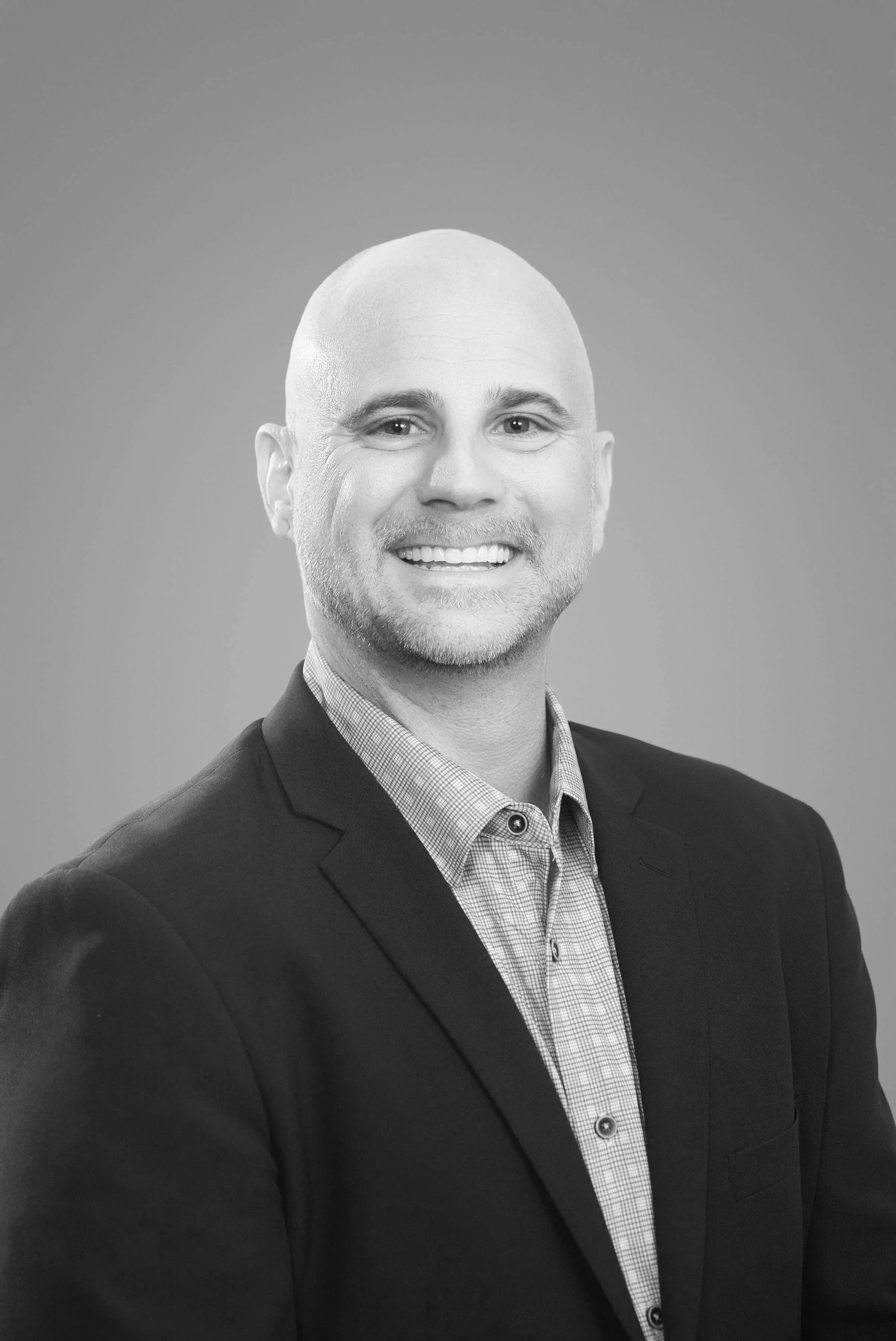
Adam Roy
Adam currently manages marketing and communications for the National Contract Management Association. He formerly held federal civilian positions in communications, public affairs and project management. Prior to joining federal service, Adam worked as a journalist for newspapers and later in advertising and public relations agencies. Adam maintains a Project Management Professional credential and is a graduate of the University of South Carolina and Miami University of Ohio. Active in his community, he serves on the board of the Falls Church Kiwanis Little League and coaches several youth sports. Adam and his family reside in Falls Church.
-
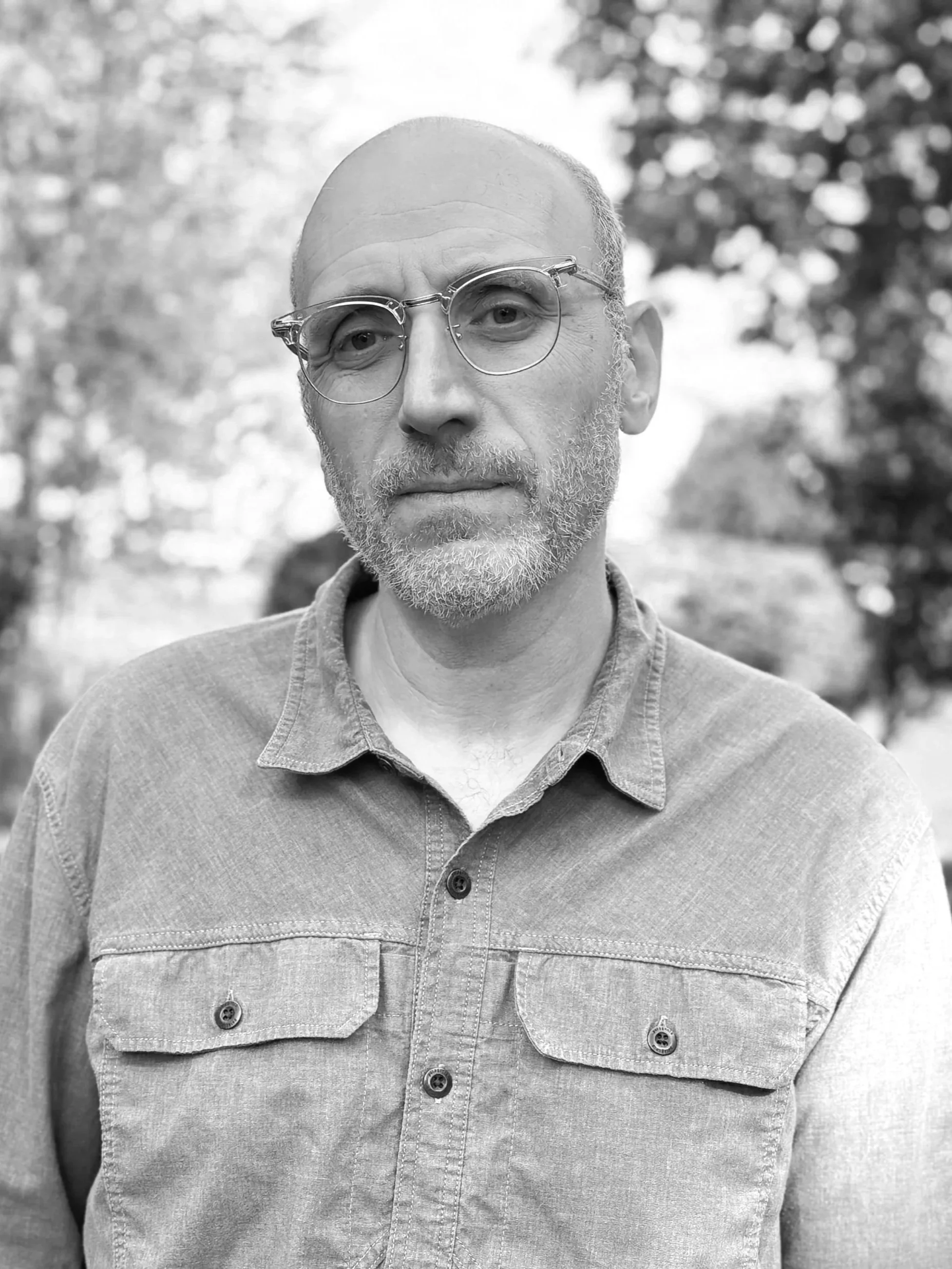
Martin Weiss
Marty manages the Congressional Research Service’s Banking, Insurance, Securities and Macroeconomic policy section. Part of the Library of Congress, CRS provides authoritative, confidential, objective and nonpartisan analysis to committees and Members of both the House and the Senate, regardless of party affiliation. He has been at CRS since 2002. He previously covered international economic issues for CRS. He is a graduate of the University of Delaware and Columbia University.
Marty and his family have been Falls Church residents since 2008 and he was a longstanding cub master and assistant scoutmaster for Scouting USA’s Troop 657. He tried to be an assistant soccer coach but was fired for being generally useless at sporting activities (and reading the newspaper while he should have been running drills).
Journalistic Integrity and Ethics
The Falls Church News Foundation is committed to the highest standards of journalistic integrity, independence, and public trust. The Foundation, its employees, contractors, and contributors will adhere to a formal Code of Ethics designed to ensure fair, accurate, and responsible journalism.
Our ethical framework draws on best practices established by leading nonprofit news organizations, including ProPublica, NPR, and Center for Investigative Reporting.
In addition, the Foundation follows the Society of Professional Journalists Code of Ethics, a widely recognized national standard for ethical journalism. Our ethical standards are grounded in the following principles:
Integrity and Respect: We treat sources, subjects, and readers ethically with dignity, recognizing the real-world impact of journalism on individuals and the community.
Accuracy and Fairness: We strive to report the truth accurately, verify information before publication, and correct errors promptly and transparently.
Independence: Editorial decisions are made independently of donors, advertisers, political interests, or other outside influence. Financial support does not confer editorial control.
Transparency: We are open about our funding sources, governance, and editorial processes, and we disclose potential conflicts of interest when they arise.
Accountability: We take responsibility for our work, welcome feedback from the community, and maintain a clear process for corrections and clarifications.
The Foundation’s Board of Directors and future Journalism Advisory Board will be responsible for providing oversight to ensure these ethical standards are upheld. When ethical questions or potential conflicts arise, they are reviewed thoughtfully and addressed in a manner consistent with our mission and public responsibilities.
By adhering to these principles, the Falls Church News Foundation seeks to earn and maintain the trust of the community it serves—and to strengthen local journalism as a vital civic institution.